Related
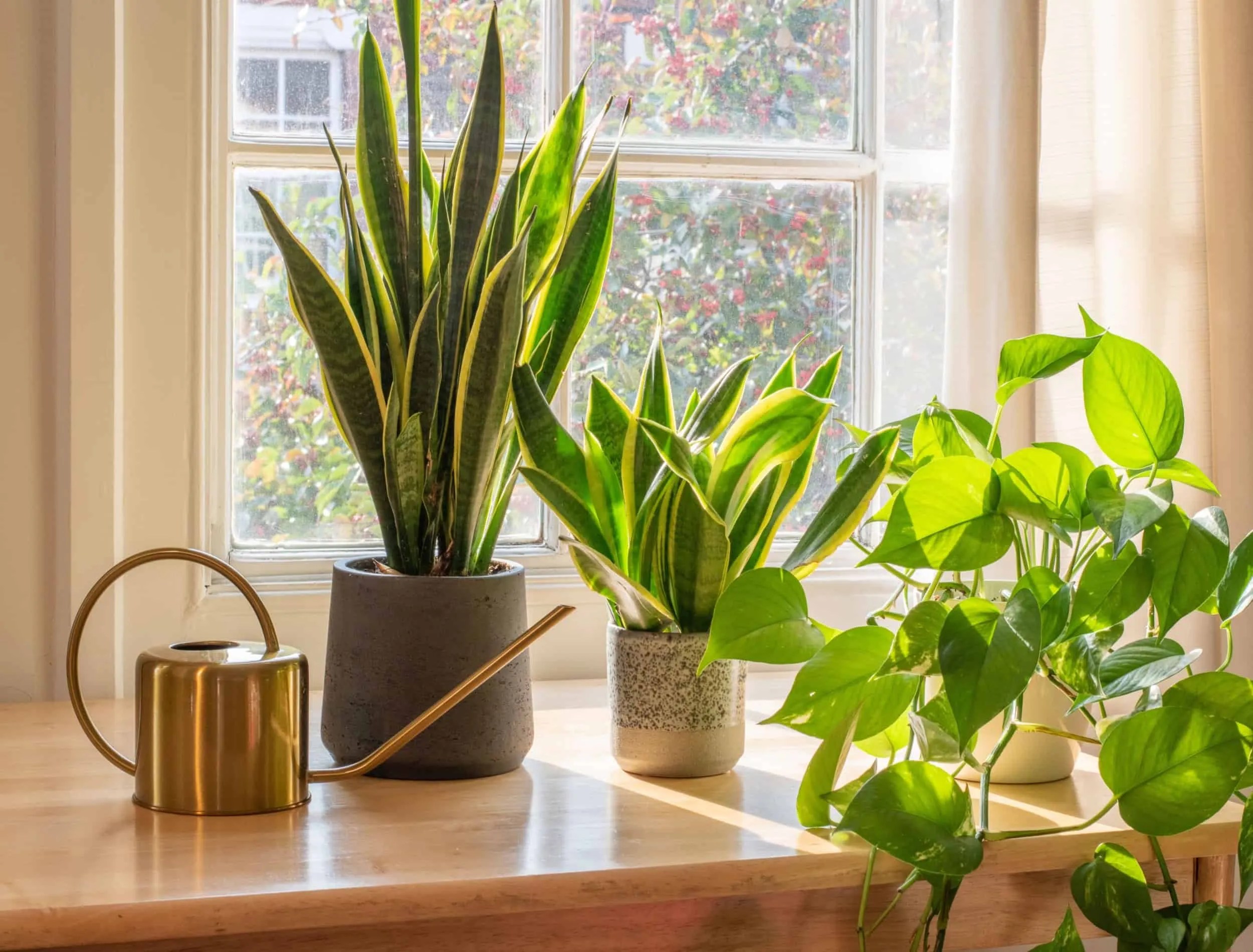
ophidian plants are a favorite for beginner plant keepers and people with not - so - immature quarter round . There are more than 70 species and more cultivars of this audacious plant . Snake plantssurvive neglectand hold up a good deal before bulge to blow over . However , even though it can do fine without consistent care , make out how to water is indispensable to keep this spiky , eye - watch plant looking its salutary all year around .
The Snake Plants’ Origin and Natural Habitat
This flowering works originates from West Central and West Africa , principally Cameroon , Central African Republic , Congo , Democratic Republic of the Congo , Equatorial Guinea , Gabon , Nigeria , and Tanzania . So , it makes sense that it maturate well in jumpy , tropical , dry climates . As the snake plant life grow , it forms underground , internet - like roots , and the foliation has a band pattern with unsloped , brand - shape folio . It canflower annuallyto produce cream - colour clusters of flowers .
For pet possessor , observe that every ophidian flora species is toxic because they have saponin toxin .
Signs of Over and Under-Watering
Snake industrial plant will give several apparent sign that they ’re get too much or too small piddle , and these ocular cues will help adjust your lachrymation agenda and amount to bring them back to peak shape .
Yellowing or Wilting Leaves
One significant symptom of a snake plant catch too much water isleaf wilt or turning yellow . If the leaves look wilted and have a light yellow tinge , this argue over - watering . The leave-taking will turn slushy and droop as they take in too much water .
Brown Spots or Leaf Margins
Brown spotsor margins point something wrong with your plant , and the boundary or tips may start to brown . Eventually , they can build up to nigrify and die off due to too much or too little water and losing the ability to produce unripe , respectable leaves .
Mushy or Soft Leaves
If a snake plant getstoo much piss , the leafage ’s structure will become compromised , resulting in soft or mushy - feeling farewell . The leaves will finally snap due to the strain of take in too much water system and turning floppy , sonant , hokey , or squishy .
Ideal Watering Frequency for Snake Plants
Ideally , these works only call for water once every two week , and the soil should completely dry out between watering to prevent giving it too much urine and damage the plant life . pertain the dirt and see if it feels ironic to the tactile sensation . If so , and if it ’s been around two workweek since the last watering , it ’s safe to water again . If the dirt still feels slightly damp , wait a day or two and touch it again . Remember , these plants do well with border disregard , and they ’re very hardy , so it ’s better to underwater than over piss .
During winter , approximately October through February , you’re able to reduce watering to once a month because snake plants go dormant and stop growing , so do n’t ask as much water until spring and the active grow season get around again .
Factors Affecting Watering Frequency
While two week is a general guideline for water this plant , a few element can convert the timeline by a few days . These factors let in :
Pot Size and Shape
The sizing of the Mary Jane the flora is in will touch how much it needs water . Generally , pocket-size containers allow less outer space between the grease particles , entail they get less tune circulation and can hold less moisture . So , plant life in a smaller mess may require somewhat more frequent lachrymation . Also , ensure the pot has drain hole to allow excess water to escape into the drip tray so it does n’t sit around the roots andencourage root rot .
Soil Type
Whatsoilthe plant is in impacts water because sandy soils ca n’t hold much water , and soils with a medium texture , like silty stiff loam or silt loam , declare the most . So , any industrial plant in sandlike soil will involve more frequent lacrimation than loam soil . This is because silt loam and silty cadaver loam soil have larger surface areas , hold more water .
The Right Way to Water Snake Plants
Make a practice ofwatering moderately , making certain the potting soil in the container is moist . Allow the plant to posture for 15 minutes after watering , and remove any water that is collected in the run - off ravisher so it wo n’t hook back into the soil and overwhelm your plant .
When the plant is actively growing in the spring and summer , rent the stain dry out between watering . Snake plants tolerate extended juiceless periods and have a more shallow tooth root arrangement that will rot easily if they get too much water . Also , having the plant in a blank space with mediocre house humidity ( 30 to 50 % ) is passable for good growth .
Embracing Flexibility and Observing Your Snake Plant
Keep your snake plant looking spiky , green , healthy , and just all class round by come this simple watering guide and general tips . This stout , center - get flora will honour you by thriving and growing for years . Do you hump someone who is fight to keep their snake plant life alert ? Share this with them so they can get to the origin cause of their plant ’s trouble and fix it .